
Language is more than just a way to communicate; it’s a complex tapestry woven from meaning, context, and culture. Each word carries its own weight—shaping thoughts, bridging divides, and sometimes even creating misunderstandings. Understanding езиково значение (linguistic meaning) is crucial for effective communication in our increasingly globalized world. Whether you’re a student of language or simply someone who loves words, diving into this topic can unlock new perspectives on how we connect with one another. Let’s explore the rich landscape of linguistic meaning together!
The Importance of Understanding Linguistic Meaning
Understanding linguistic meaning is fundamental in our daily interactions. Language shapes how we communicate thoughts, feelings, and ideas. When we grasp the nuances of words, we can engage more effectively with others.
Misinterpretations often arise from ignoring these subtleties. A single word can carry multiple meanings depending on context or culture. Being aware of this helps prevent misunderstandings.
Additionally, a deep comprehension enhances empathy. It allows us to appreciate diverse perspectives and backgrounds through language. This fosters stronger connections among individuals.
In professional settings, clear communication boosts collaboration and productivity. Knowing how to convey messages accurately reduces conflicts and enhances teamwork.
Understanding linguistic meaning enriches both personal and social experiences. It opens doors to deeper relationships while promoting respect for cultural diversity.
Types of Linguistic Meaning
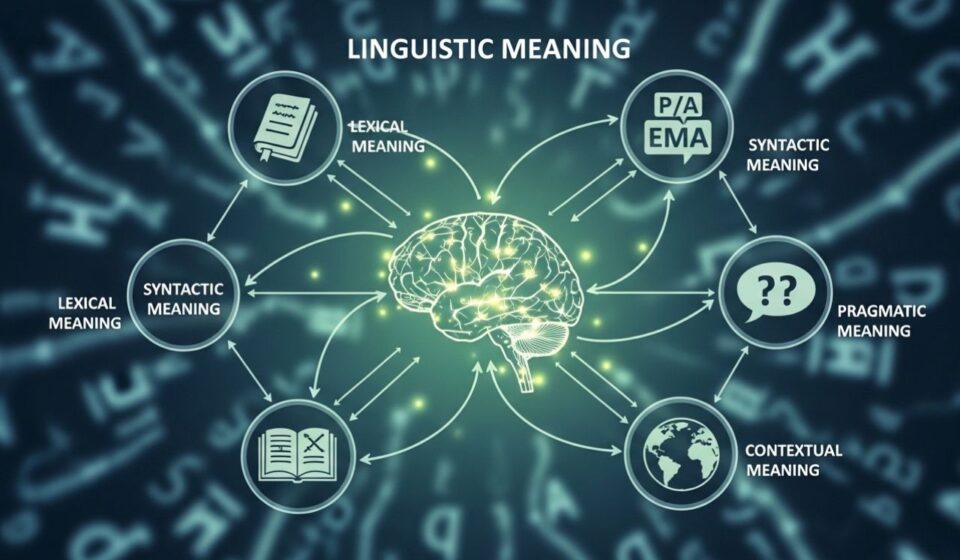
Linguistic meaning can be categorized into several distinct types, each contributing to our understanding of language.
One primary type is denotative meaning. This refers to the explicit definition of a word—the straightforward and literal interpretation that one finds in a dictionary.
On the other hand, connotative meaning adds layers of emotion and association. It reflects personal feelings or cultural nuances tied to a word beyond its direct definition.
Another significant category involves referential meaning, which connects words directly with their real-world counterparts. This helps bridge communication between speakers about tangible subjects.
There’s pragmatic meaning, focusing on how context influences interpretation. The same phrase can carry different implications depending on who says it and under what circumstances it is spoken.
Denotative and Connotative Meanings
Denotative meaning refers to the literal definition of a word. It’s what you would find in a dictionary, stripped of any emotional or cultural baggage. For instance, the denotation of “snake” is simply a legless reptile.
Conversely, connotative meaning encompasses the associations and emotions tied to that same word. The term “snake” might evoke feelings of betrayal or deceit for many due to its cultural context in stories and symbolism.
These two layers are crucial in communication. Choosing words carefully can alter perceptions dramatically. A simple change from “snake” to “friend” not only shifts the topic but also influences how one feels about it.
Understanding both meanings enriches our interactions. Words carry weight beyond their definitions; they shape attitudes and responses based on shared experiences and societal norms. Recognizing this duality helps navigate complex conversations more effectively.
Cultural and Contextual Influences on Linguistic Meaning
Cultural and contextual factors shape how we interpret linguistic meaning in profound ways. Language is not just a set of words; it carries the weight of cultural narratives, traditions, and social norms.
Take idiomatic expressions as an example. They often reflect specific cultural experiences that might be lost on someone outside that culture. This can lead to misunderstandings or even confusion during conversations.
Context plays a crucial role too. The same word might convey different meanings depending on where you are and who you’re talking to. A casual greeting among friends could take on a more serious tone in professional settings.
Emotional undertones also shift with context, affecting how messages are received. Understanding these influences allows us to communicate more effectively while appreciating the rich tapestry of human expression across diverse cultures.
Challenges in Interpreting Linguistic Meaning
Interpreting linguistic meaning can be a complex endeavor. One significant challenge lies in ambiguity. Words often have multiple meanings, leading to misunderstandings.
Different cultures also influence interpretation. A phrase that resonates positively in one culture might carry negative connotations in another. This makes communication tricky, especially in diverse settings.
Context plays a vital role too. The same word or phrase can mean different things depending on the situation it’s used in. Without context, messages may be lost or misinterpreted.
Additionally, individual experiences shape how we understand language. Personal backgrounds and emotional states impact our perceptions of meaning.
Evolving language adds complexity as societal changes introduce new slang or jargon regularly. Keeping up with these shifts is crucial for clear communication yet poses a constant challenge for interpreters and speakers alike.
Practical Applications of Understanding Linguistic Meaning
Understanding linguistic meaning has practical applications in various fields. In education, teachers can tailor their methods to suit diverse learning styles by recognizing how students interpret language.
In marketing, brands benefit from knowing the connotations of words and phrases. This helps them craft messages that resonate with specific audiences, enhancing customer engagement.
In cross-cultural communication, awareness of linguistic meaning can bridge gaps between different cultures. A nuanced understanding allows for more effective dialogue and reduces the risk of misunderstandings.
Moreover, in technology, natural language processing relies on interpreting meanings accurately to improve user interactions with AI systems. The ability to discern context ensures better responses and enhances user experience across digital platforms.
These applications highlight the significance of grasping how language shapes our thoughts and actions daily.
Conclusion
Understanding езиково значение opens up various avenues for communication and comprehension. By delving into the depths of linguistic meaning, we gain insights that can enhance our interactions with others. From recognizing the distinction between denotative and connotative meanings to appreciating cultural and contextual nuances, every layer adds richness to our understanding.
Navigating the intricacies of language is not without its challenges. Misinterpretations can arise from different backgrounds or contexts, yet these hurdles provide opportunities for deeper engagement and learning. Recognizing these complexities fosters patience and empathy in conversations.
The practical applications of grasping linguistic meaning are vast—whether you’re a student, professional, or casual communicator. Mastering this skill can improve clarity in writing, strengthen relationships through better understanding, and enhance critical thinking abilities.
As we explore the world around us through language, embracing the concept of езиково значение enriches both personal growth and collective discourse.